
Lijian-1 rocket launch: Proven success for China’s space program
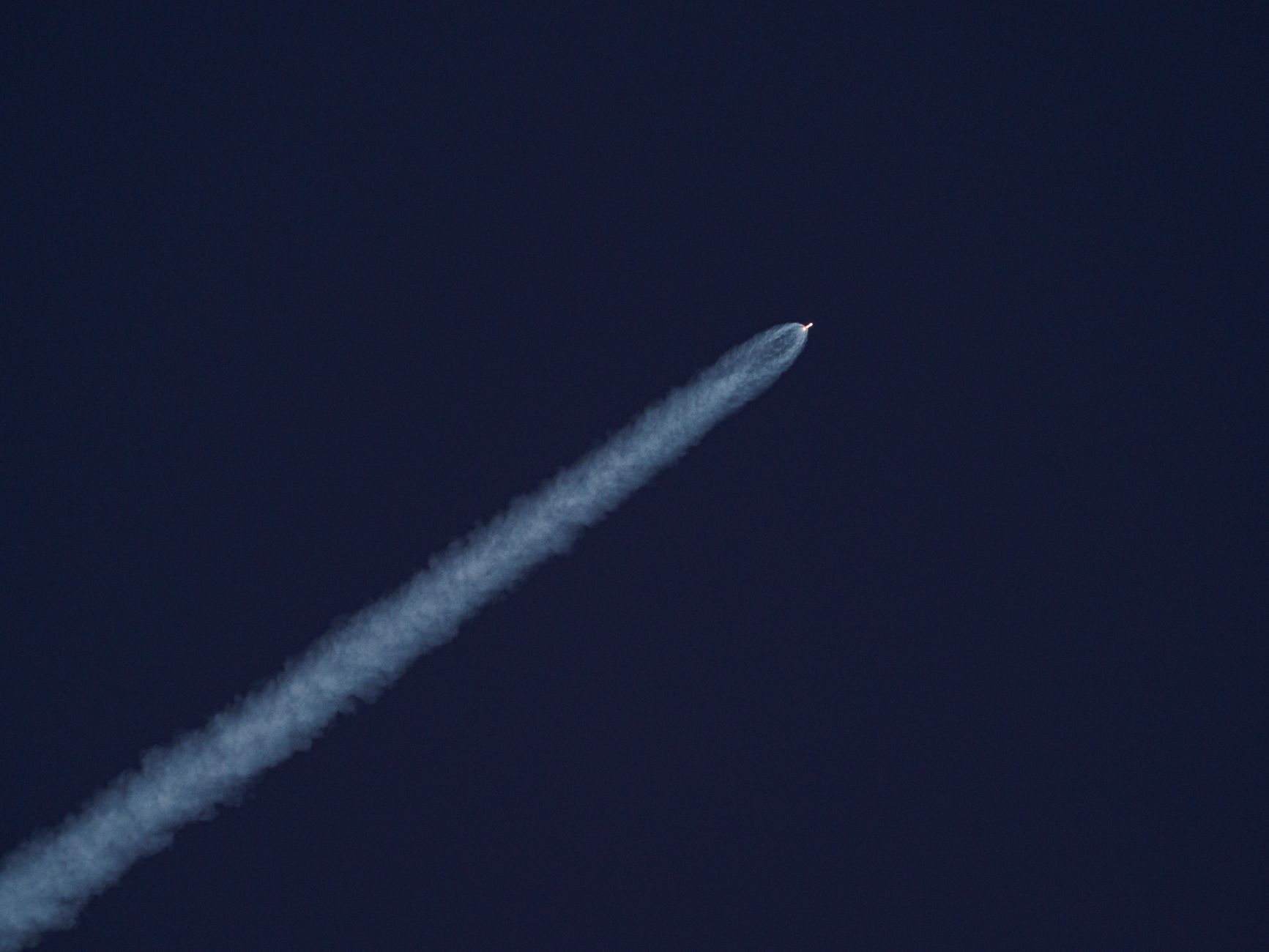
The Lijian-1 rocket launch successfully placed 9 satellites into orbit, showcasing China’s advancements in space technology.
Overview of the Lijian-1 rocket launch
The recent launch of the Lijian-1 rocket marks a significant milestone for China’s space program, demonstrating the nation’s growing capabilities in aerospace technology. On the day of the launch, the rocket successfully placed nine satellites into orbit, showcasing its reliability and efficiency.
This mission is part of China’s broader strategy to enhance its presence in space and foster advancements in satellite technology. The Lijian-1 rocket is designed to carry various payloads, making it a vital asset for both commercial and governmental applications.
Key features of the Lijian-1 rocket launch include:
- Precision Deployment: Each satellite was deployed into its designated orbit with remarkable accuracy.
- Cost-Effectiveness: The launch demonstrated a competitive pricing model compared to similar international missions.
- Environmental Considerations: The rocket employs technology aimed at reducing environmental impact during launches.
As China continues to invest in its space exploration initiatives, the successful execution of the Lijian-1 rocket launch reinforces the nation’s commitment to becoming a leader in space technology.
Significance of satellite deployment
The recent Lijian-1 rocket launch marks a significant milestone in China’s expanding space capabilities. By successfully deploying nine satellites into orbit, this mission not only showcases the technological advancements of China’s space program but also emphasizes the strategic importance of satellite deployment in various sectors.
Satellites play a critical role in numerous applications, including:
- Communication: Enhancing connectivity and data transfer across vast distances.
- Earth Observation: Providing vital information for environmental monitoring, disaster management, and urban planning.
- Navigation: Supporting global positioning systems that are essential for transportation and logistics.
- Scientific Research: Facilitating advancements in fields such as meteorology and climate studies.
The successful deployment of these satellites reinforces China’s commitment to becoming a major player in the global space arena. With the Lijian-1 rocket launch demonstrating reliability and efficiency, it sets a precedent for future missions, contributing to the country’s long-term objectives in space exploration and technology development.
Technological advancements in China’s space program
The recent Lijian-1 rocket launch highlights significant technological advancements in China’s space program, showcasing the nation’s commitment to expanding its capabilities in space exploration and satellite deployment. The successful launch of nine satellites into orbit is a testament to the innovations that have emerged from years of research and development.
Among the key advancements contributing to the success of the Lijian-1 are:
- Improved propulsion systems: Enhanced engines have increased the efficiency and reliability of launches, allowing for greater payload capacities.
- Advanced materials: Utilization of lightweight, durable materials has led to a reduction in overall rocket weight, improving performance.
- Modular design: The rocket’s modular architecture facilitates easier upgrades and maintenance, ensuring longevity and adaptability for future missions.
- Innovative guidance technology: Cutting-edge navigation and control systems enhance precision during launch and satellite deployment.
These advancements not only bolster China’s capabilities in space but also position the nation as a formidable player in the global aerospace arena. As the Lijian-1 rocket launch demonstrates, China is poised to continue making strides in this dynamic field, paving the way for future endeavors.
Future missions planned by China
As China continues to expand its presence in space, several future missions are already in the planning stages, building on the proven success of the Lijian-1 rocket launch. These upcoming endeavors reflect China’s commitment to enhancing its technological capabilities and strengthening its position as a global leader in space exploration.
Planned missions include:
- Earth Observation Satellites: Deployment of advanced satellites aimed at improving environmental monitoring and disaster response efforts.
- Interplanetary Missions: Ambitious plans to explore Mars and beyond, looking to gather valuable data about other celestial bodies.
- Space Station Development: Continued construction and expansion of the Tiangong space station, which will facilitate scientific research and international collaboration.
In addition to these missions, China aims to enhance its rocket technology further, increasing payload capacity and reducing costs. The Lijian-1 rocket launch has set a strong precedent, demonstrating the country’s growing capabilities in launching multiple satellites efficiently. As these projects move forward, the world will watch closely to see how they contribute to international space cooperation and scientific advancement.
International reactions to the launch
The successful launch of the Lijian-1 rocket has garnered significant international attention, with reactions pouring in from various space agencies and experts around the world. Many view this achievement as a testament to China’s rapid advancements in space technology and its growing capabilities.
- NATO’s Space Command highlighted the importance of collaboration in space exploration, emphasizing that such developments challenge global norms and encourage other countries to enhance their own space programs.
- The European Space Agency (ESA) expressed admiration for China’s progress, noting that the deployment of multiple satellites within a single launch is indicative of sophisticated engineering and planning.
- NASA acknowledged the launch as a significant milestone, underscoring the competitive landscape of space exploration and the need for international partnerships to address shared challenges.
- Experts from India commented on the implications for regional security and technological competition, stating that the Lijian-1 rocket launch could inspire advancements in their own space endeavors.
As nations observe and analyze this event, the Lijian-1 rocket launch not only reinforces China’s position in the realm of space exploration but also sparks dialogues on the future of international cooperation in this vital field.
Impact on global space exploration
The successful Lijian-1 rocket launch marks a pivotal moment in global space exploration, demonstrating China’s increasing capabilities in the aerospace sector. By deploying nine satellites into orbit, this mission not only enhances China’s satellite network but also contributes to the growing body of knowledge and technology shared among international space agencies.
As countries around the world continue to expand their presence in space, the Lijian-1’s success adds to the competitive landscape. The advancements made by China through this launch may inspire other nations to accelerate their own space programs, fostering a spirit of innovation and collaboration. With the rise of private space companies and governmental initiatives, the global community is witnessing a transformation in how space exploration is approached.
The implications of the Lijian-1 launch extend beyond national pride; they encompass geopolitical dynamics as nations vie for leadership in space technologies. Furthermore, the satellites deployed during this mission are expected to enhance various sectors, including telecommunications, weather forecasting, and environmental monitoring, benefiting not only China but also other countries that rely on satellite data.
In summary, the Lijian-1 rocket launch represents a significant step forward for China’s space ambitions, with ripple effects felt across the international arena.
Photo by Dirk Schuneman on Pexels
Sources
Related stories
Samsung Galaxy S26 Price: Worth the New Hike? · MediaTek Dimensity 9600M: The Best New Tech for Phones · Semiconductor gas supply deal: Is it the best investment now?