
AI Race Comparison: The Best Insights on China vs America
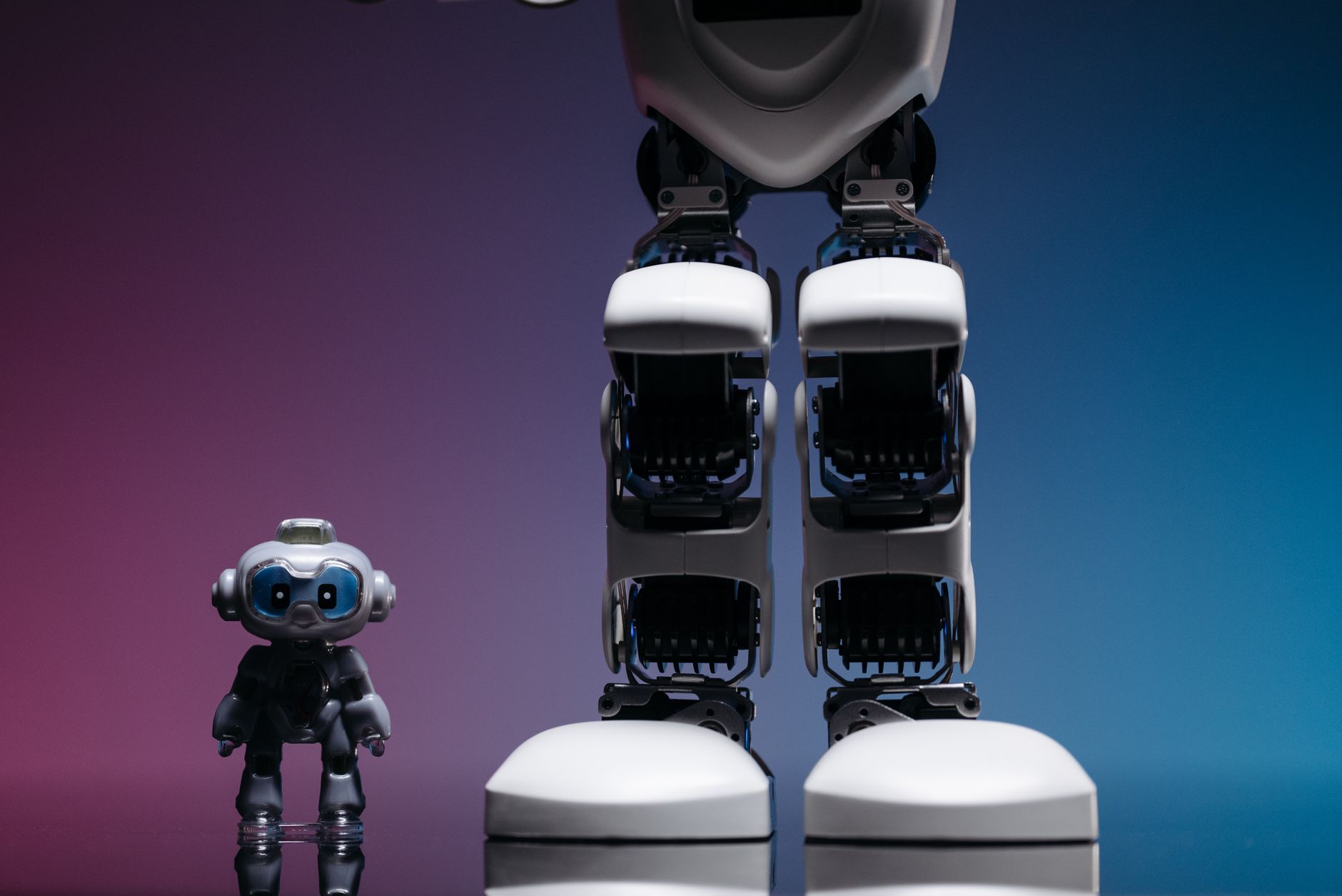
AI race comparison highlights the rapid advancements made by China in artificial intelligence. This article delves into the specifics of how these two nations stack up against each other.
Overview of AI Race
The AI race comparison between China and America has become a focal point in the global technology landscape. Both countries have made significant strides in artificial intelligence, yet their approaches and advancements vary widely.
China has rapidly closed the gap on American AI models, investing heavily in research and development. This aggressive push has led to breakthroughs in various sectors, including healthcare and autonomous vehicles. In contrast, the United States continues to lead in foundational AI research, boasting a wealth of talent and innovation from top universities and tech giants.
Some key factors contributing to the differences include:
- Government Support: China’s centralized approach allows for swift decision-making and funding.
- Corporate Investment: American companies invest heavily in AI startups and research.
- Ethics and Regulation: The U.S. emphasizes ethical considerations, while China focuses on rapid deployment.
Ultimately, the AI race comparison highlights the strengths and weaknesses of each nation as they strive for supremacy in artificial intelligence.
China’s Advancements in AI
China has made significant strides in the AI race comparison between itself and the United States, leveraging government support and investment in research and development. The Chinese government has prioritized artificial intelligence as a national strategy, aiming to become a global leader by 2030. This has resulted in a surge of funding for AI startups and established companies alike, fostering an environment ripe for innovation.
Key areas where China has excelled include:
- Facial recognition technology: Chinese firms lead the world in deploying advanced surveillance systems using AI.
- Natural language processing: Significant improvements have been made in understanding and generating human language.
- Data collection: The vast amount of data generated by its population provides a unique advantage for training AI models.
As these advancements continue, the competitive landscape of AI is rapidly evolving.
America’s AI Leadership
America has long been considered the leader in artificial intelligence, thanks to its robust ecosystem of innovation, investment, and talent. The country’s tech giants, including Google, Microsoft, and Amazon, have made significant advancements in AI technologies, driving various applications from healthcare to finance.
One of the key factors in America’s AI leadership is its strong emphasis on research and development. The collaboration between universities and private companies fosters a culture of innovation that is challenging for other countries to replicate. Additionally, America benefits from a diverse pool of talent, attracting the best minds from around the world.
However, as the AI race comparison unfolds, it is crucial to recognize that China’s rapid progress in AI is narrowing the gap. The competition has intensified, prompting American companies to innovate even faster to maintain their edge.
- Investment in AI startups
- Government support for research
- Global talent attraction
Key Differences Between Models
The AI race comparison between China and America reveals significant differences in their approaches to artificial intelligence development. Both countries are heavily investing in AI technologies, yet their strategies diverge in several key areas:
- Data Access: China benefits from a vast amount of data due to its population size and fewer privacy regulations, allowing for rapid model training.
- Government Support: The Chinese government plays a crucial role in supporting AI initiatives through funding and clear national policies, while American companies often rely on private investments.
- Innovation Focus: American firms prioritize breakthrough innovations and competitive advantages, whereas Chinese models emphasize scalability and practical applications.
- Talent Pool: Both nations attract global talent, but the U.S. has historically been the leader in attracting top-tier researchers and developers.
These differences shape the evolving landscape of AI capabilities in both regions.
Future Implications of AI Race
The future implications of the AI race comparison between China and America are profound and far-reaching. As both nations push the boundaries of artificial intelligence, the global landscape may shift significantly. China’s rapid advancements could lead to a new era of technological dominance, while America’s established leadership in innovation remains critical.
Several key factors will shape the future of this competition:
- Investment in Research: Continued funding and support for AI research will be crucial for both countries.
- Talent Acquisition: The ability to attract and retain top AI talent will determine long-term success.
- Ethical Considerations: How each nation addresses ethical concerns surrounding AI will influence public perception and policy.
- Global Collaboration: Potential partnerships could redefine the competitive landscape, promoting shared advancements.
Ultimately, the outcome of the AI race comparison will not only affect national security but also the global economy and societal norms.
Photo by Pavel Danilyuk on Pexels