
Melbourne sewage treatment: Proven benefits for wildlife
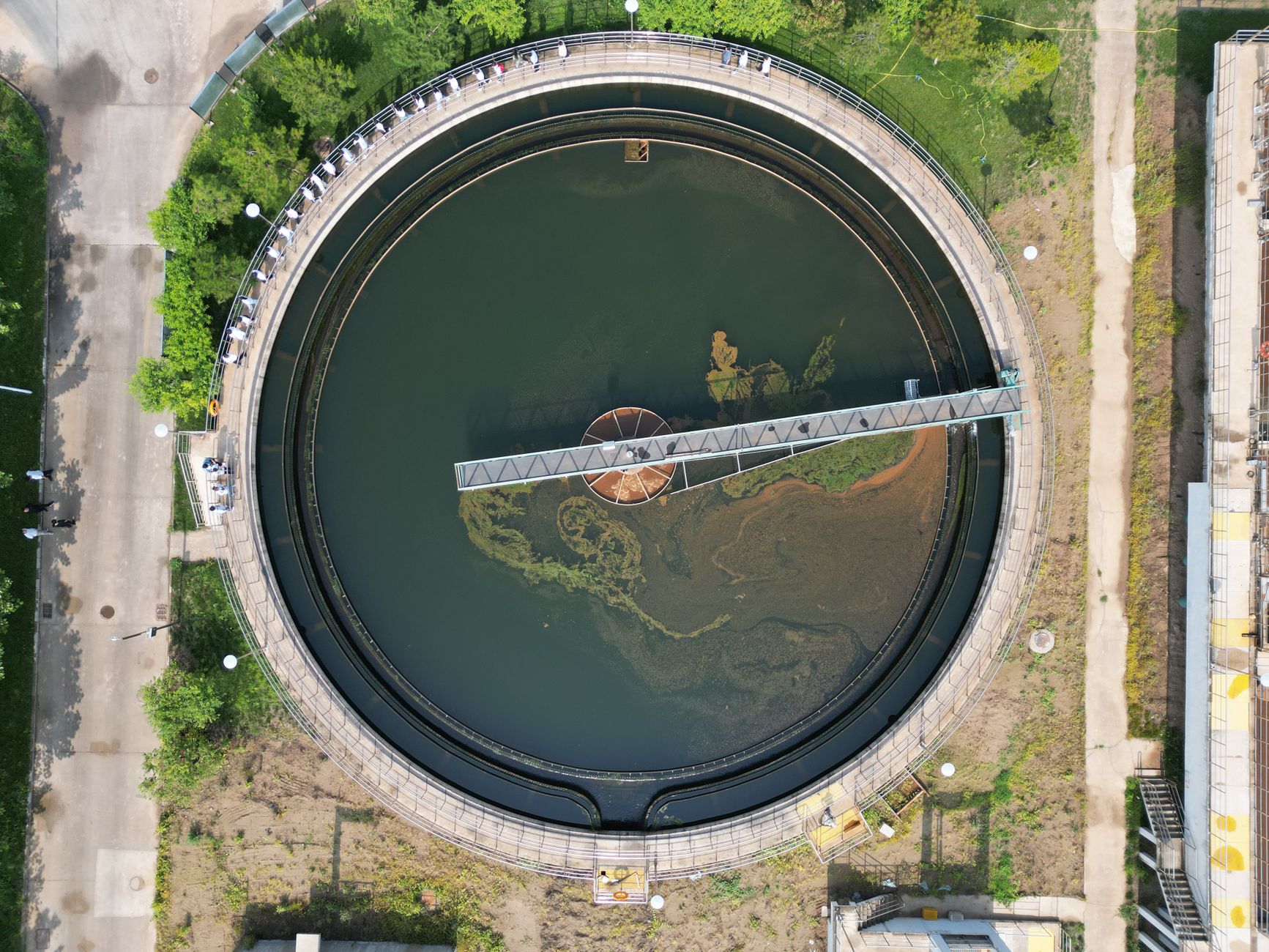
Melbourne sewage treatment has transformed the city’s waste management since 1897, evolving into a vital resource for local ecosystems and wildlife.
History of sewage treatment in Melbourne
Melbourne’s journey in sewage treatment began in 1897 when the city initiated the practice of pumping its sewage onto paddocks located to the west. This marked a significant turning point in waste management and environmental sustainability for the region. Over the years, the site has evolved into a sophisticated sewage treatment facility, covering an impressive area of 10,500 hectares.
Today, this site is not only crucial for managing Melbourne’s sewage but also plays a vital role in supporting local wildlife. The facility currently processes around 500 megaliters of sewage daily, showcasing the city’s commitment to effective waste management. With the treatment processes in place, the area has become an unexpected haven for biodiversity.
One of the most remarkable aspects of this site is its ability to attract a diverse range of bird species. Approximately 300 different bird species are known to inhabit the area, including migratory birds that travel thousands of kilometers from places as distant as Siberia. This intersection of sewage treatment and wildlife conservation highlights the unanticipated benefits of Melbourne’s sewage treatment practices, demonstrating how innovative waste management can contribute to ecological health.
As Melbourne continues to develop its sewage treatment capabilities, the positive impact on local wildlife remains a testament to the city’s dedication to sustainability.
Impact on local wildlife
The impact of Melbourne sewage treatment on local wildlife has been significant and beneficial. The extensive treatment facilities, which process around 500 megaliters of wastewater daily, have transformed what was once merely a disposal site into a thriving habitat for numerous bird species.
Thanks to the efforts in sewage treatment, the area has become a sanctuary for nearly 300 different bird species, including migratory birds that traverse long distances from their breeding grounds in Siberia. This influx of wildlife has not only enhanced biodiversity but has also provided a unique opportunity for birdwatchers and nature enthusiasts to observe these fascinating creatures in their natural environment.
In addition to birds, the wetlands created by the treatment processes support a variety of other wildlife. The presence of native fish, frogs, and insects contributes to a balanced ecosystem, further underscoring the importance of Melbourne sewage treatment facilities in promoting environmental health.
Moreover, the interaction between treated wastewater and the surrounding landscape promotes the growth of native vegetation, which in turn offers shelter and food for local fauna. The integration of sewage treatment into the ecological framework of the area demonstrates a successful model of how urban wastewater management can coexist with and even enhance local wildlife populations.
Bird species in Melbourne’s treatment site
Melbourne’s sewage treatment facilities play a crucial role in supporting diverse bird species that thrive in the area. The expansive 10,500-hectare site has transformed from a simple sewage disposal area into a vital habitat for wildlife, particularly avian populations.
Over the years, approximately 300 bird species have been recorded at the treatment site, showcasing its importance as a sanctuary for various birds. Among these species, several are migratory, traveling thousands of kilometers to reach Melbourne. Notably, some birds arrive from as far as Siberia, making the site a critical stopover point during their long journeys.
The treatment processes employed at the facility not only manage wastewater effectively but also create environments that are hospitable to birds. Shallow lagoons and diverse vegetation provide ideal nesting and feeding grounds. This habitat supports both resident and migratory birds, allowing them to find food and shelter.
Some of the notable bird species that frequent Melbourne’s sewage treatment site include:
- Black Swan
- White Ibis
- Royal Spoonbill
- Australian Pelican
- Pink-eared Duck
Overall, the success of Melbourne’s sewage treatment facilities extends beyond waste management, contributing significantly to the conservation of local bird populations and biodiversity.
Environmental benefits of sewage treatment
The environmental benefits of sewage treatment in Melbourne are profound and multifaceted. The treatment process not only addresses waste management but also plays a crucial role in supporting local ecosystems.
One of the most significant advantages is the creation of habitats for various wildlife species. The Melbourne sewage treatment facilities have transformed what was once a mere disposal site into a thriving ecological haven. The treatment areas are now home to:
- Diverse Flora: The nutrient-rich effluents promote the growth of various plant species, which, in turn, provide food and shelter for wildlife.
- Bird Populations: With close to 300 bird species observed, the site has become a vital stopover for migratory birds, enhancing biodiversity.
- Increased Biodiversity: The healthy habitats support not just birds, but also other wildlife, including frogs and insects, contributing to a balanced ecosystem.
Furthermore, the Melbourne sewage treatment process helps improve water quality in surrounding areas by filtering out harmful pollutants before they can affect local waterways. This result not only benefits wildlife but also enhances recreational and aesthetic values for residents and visitors alike.
Overall, the integration of sewage treatment facilities in Melbourne demonstrates a successful model of environmental stewardship, showcasing how human infrastructure can coexist harmoniously with nature.
Sewage treatment technology advancements
Recent advancements in sewage treatment technology have significantly enhanced the efficiency and effectiveness of Melbourne sewage treatment facilities. These improvements not only help in managing waste more effectively but also contribute to the overall health of the local ecosystem.
Notable innovations include:
- Biological treatment processes: Modern systems utilize advanced biological methods, which allow for the breakdown of organic matter more efficiently, reducing the environmental impact.
- Membrane filtration: This technology helps in removing contaminants at a microscopic level, ensuring cleaner water is released back into the environment.
- Energy recovery systems: Many facilities are now equipped with systems that harness energy from the treatment process itself, making sewage treatment more sustainable.
Furthermore, the integration of real-time monitoring systems ensures that the treatment processes can be adjusted dynamically to respond to varying levels of sewage inflow, thus optimizing resource use. These advancements not only enhance the quality of water being treated but also play a crucial role in maintaining the biodiversity of the area.
The benefits are manifold, with better treatment outcomes leading to healthier habitats for local wildlife, particularly bird species that depend on clean water sources. Through continued investment in sewage treatment technology, Melbourne is setting a benchmark for environmental stewardship and wildlife conservation.
Community involvement in sewage management
Community involvement plays a crucial role in the ongoing success of Melbourne sewage treatment initiatives. Local residents and various organizations actively participate in programs aimed at enhancing the environmental health of the area while fostering a deeper appreciation for the unique wildlife that thrives around the treatment sites.
One of the primary ways the community engages is through volunteer programs focused on habitat restoration. Volunteers help to plant native vegetation, which not only beautifies the area but also provides essential habitats for various bird species and other wildlife. These efforts contribute significantly to the overall ecological balance and sustainability of the region.
Moreover, educational workshops and guided tours organized by local environmental groups allow residents to learn more about the importance of sewage treatment in protecting local ecosystems. Participants gain insights into how effective sewage management can lead to improved water quality, benefiting both wildlife and the community.
Community feedback is also encouraged through forums and surveys, providing a platform for residents to voice their concerns and suggestions regarding Melbourne sewage treatment practices. This collaborative approach ensures that the community remains invested in the health and future of their local environment.
By fostering a strong sense of community involvement, Melbourne showcases a model for how urban areas can successfully blend infrastructure needs with environmental stewardship, ultimately benefiting both the residents and the diverse wildlife that call the area home.
Future of sewage treatment in Melbourne
The future of sewage treatment in Melbourne is poised for significant advancements as the city continues to prioritize environmental sustainability and wildlife conservation. With the ongoing success of the existing treatment facilities, there is a growing recognition of the potential to further enhance the ecological benefits these sites can offer.
Recent discussions among environmental agencies and local communities have highlighted the importance of integrating Melbourne sewage treatment processes with innovative technologies that promote biodiversity. This includes creating more natural habitats within treatment areas, which can serve as sanctuaries for various bird species and other wildlife.
Moreover, the implementation of advanced filtration and recycling methods is expected to improve the quality of treated water, allowing for its safe reuse in local parks and gardens. This not only helps in conserving water but also supports the local ecosystem by providing vital resources for native flora and fauna.
Community involvement remains a crucial aspect of the future of sewage treatment in Melbourne. Educational programs aimed at raising awareness about the benefits of sewage management and its relationship with wildlife are being developed. Engaging the public will foster a sense of responsibility and encourage participation in local conservation efforts.
As Melbourne looks ahead, the commitment to sustainable sewage treatment practices will play a pivotal role in protecting the city’s rich biodiversity while ensuring a cleaner environment for future generations.
Comparative analysis with other cities
When comparing Melbourne’s sewage treatment efforts to those of other major cities, several key differences and similarities emerge. Notably, cities like London and New York have also implemented extensive sewage treatment systems, but their approaches often vary significantly.
- Infrastructure: Melbourne’s sewage treatment facilities are designed with environmental sustainability in mind, utilizing advanced technologies that promote wildlife habitats. In contrast, older systems in cities like London were primarily focused on efficiency rather than ecological outcomes.
- Wildlife Support: Melbourne’s sewage treatment sites have been recognized for their ability to support diverse bird populations, including migratory species. Other cities, such as Tokyo, have seen limited wildlife benefits due to urbanization and lack of green spaces around treatment plants.
- Community Engagement: Melbourne’s community involvement in sewage management has fostered a stronger connection between residents and local wildlife. In cities like Los Angeles, community initiatives are still developing, resulting in less public awareness of the ecological benefits of sewage treatment.
Overall, while many cities have made strides in sewage treatment, Melbourne stands out for its successful integration of environmental stewardship and community engagement, effectively benefiting both the ecosystem and its inhabitants. The ongoing evolution of Melbourne sewage treatment practices continues to serve as a model for others looking to enhance wildlife preservation.
Melbourne sewage treatment has been shown to enhance local ecosystems by providing cleaner water sources for various species. Additionally, the implementation of Melbourne sewage treatment processes supports biodiversity by creating habitats that attract wildlife.
Photo by 逐光 创梦 on Pexels